
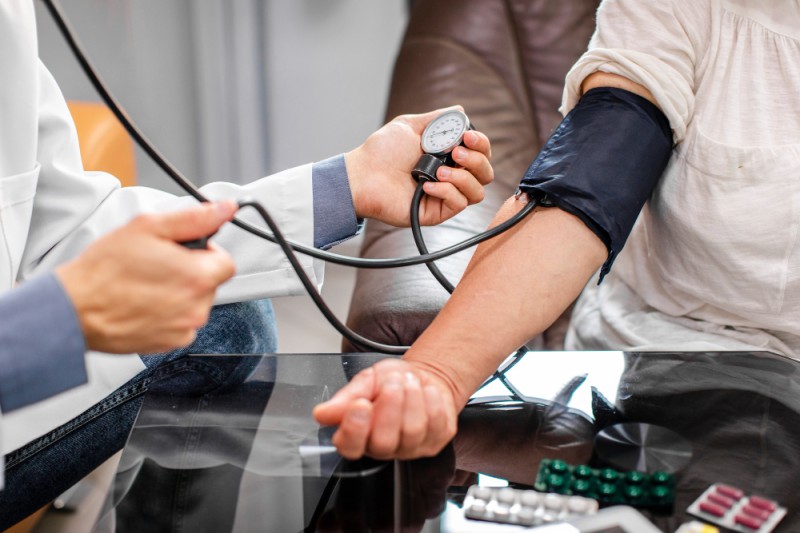
As temperatures soar, individuals with high blood pressure face heightened risks during heatwaves. The body’s natural response to heat, which involves widening blood vessels and increased sweating, can particularly strain those with hypertension. These bodily adjustments are intended to maintain a stable internal temperature and ensure proper blood circulation, but for those managing high blood pressure, they may lead to dizziness, fatigue, or discomfort.
The effects of extreme heat on blood pressure are significant. Excessive sweating during hot weather can result in the loss of fluids and essential electrolytes, which in turn can affect blood volume and alter blood pressure levels. Everyday activities such as walking, shopping, or gardening become increasingly challenging under these conditions, especially for those already dealing with hypertension.
Staying hydrated is crucial for everyone, particularly during heatwaves. Prioritizing adequate water intake throughout the day, starting mornings with proper hydration, and consuming water-rich foods like watermelon, cucumbers, and oranges can help maintain hydration levels. It’s also advisable to limit intake of caffeine and alcohol, as these substances may exacerbate dehydration.
To mitigate the risks associated with extreme heat, it’s wise to schedule outdoor activities during cooler times of the day, such as early mornings or late evenings. This approach not only minimizes exposure to intense sunlight but also reduces cardiovascular strain, aiding the body in managing heat more effectively.
For those with hypertension, recognizing warning signs during heatwaves is crucial. Symptoms warranting medical advice include persistent headaches, an irregular or rapid heartbeat, excessive fatigue, confusion, or unusual weakness. Simple lifestyle adjustments, such as wearing loose-fitting clothing, maintaining hydration, regularly monitoring blood pressure, and adhering to prescribed medications, can play a significant role in safeguarding health during extreme temperatures. By taking these precautions, individuals with hypertension can better navigate the challenges posed by heatwaves and enhance their safety in hot weather conditions.