
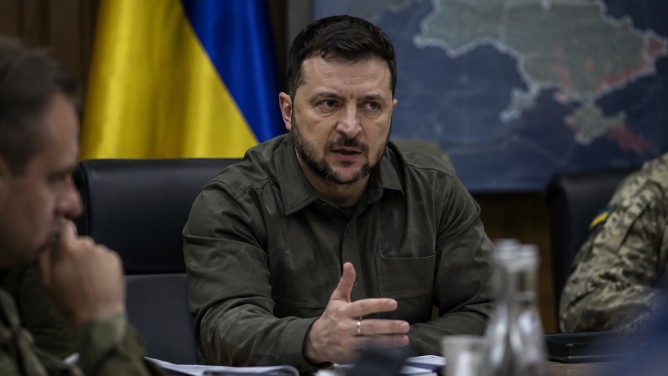
Ukrainian President Volodymyr Zelensky has issued a stark warning about an imminent large-scale Russian attack on Ukraine’s energy and logistics infrastructure. In a speech delivered on November 2, Zelensky highlighted that Ukrainian intelligence has detected preparations for fresh Russian strikes. This warning comes at a time when global attention is focused on the US midterm elections, potentially providing Russia an opportunity for aggression.
Zelensky’s concerns are compounded by Ukraine’s shortage of air defense systems, particularly Patriot missiles, as winter approaches. He has called on the United States and its allies to increase their pressure on Moscow, specifically by targeting Russian oil and gas revenues, to help mitigate the threat.
The warning follows a tragic incident in Komyshuvakha, in the Zaporizhzhia region, where a Russian strike targeted a school being used to distribute humanitarian aid and shelter civilians. The attack resulted in the deaths of at least 26 individuals, including emergency workers and police officers, and rescue operations are ongoing.
This attack occurred shortly after a humanitarian ceasefire in the neighboring Kherson region ended on November 1. The temporary truce, which lasted six days, enabled the evacuation of civilians from the Russian-occupied city of Oleshky. However, efforts to extend this ceasefire failed, leading to a resumption of hostilities.
Despite these renewed tensions, diplomatic channels remain open. Ukrainian, Russian, and US officials are set to engage in another round of US-mediated peace negotiations in Abu Dhabi on November 10-11. The discussions are expected to address de-escalation, humanitarian assistance, and post-war security arrangements.
Zelensky also accused Russia of ramping up attacks on Ukraine’s electricity distribution networks, complicating repair efforts. He emphasized the efforts of energy workers who are tirelessly working to restore power and stressed the importance of protecting critical infrastructure throughout the winter months.