
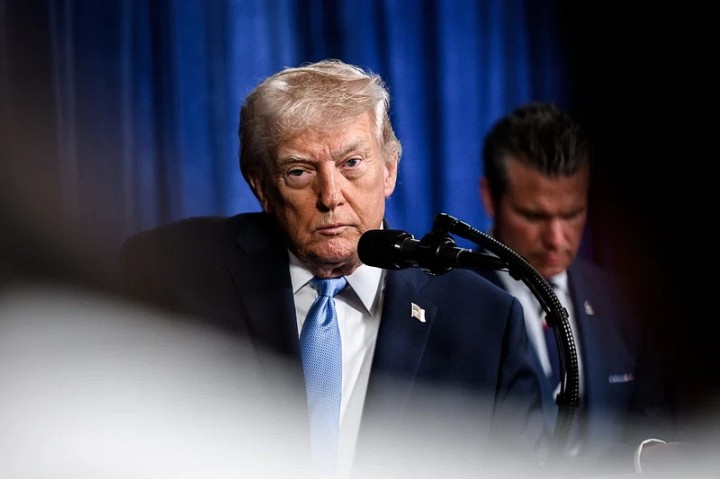
Amid escalating tensions in the Middle East, U.S. President Donald Trump has expressed strong disapproval of recent Israeli airstrikes on Beirut’s southern suburbs. In a statement, Trump warned that such military actions could jeopardize ongoing diplomatic efforts aimed at achieving a comprehensive peace agreement in the region. He called on all parties involved to show restraint and demanded an immediate cessation of military operations in Lebanon. Emphasizing the importance of diplomacy, Trump urged against further Israeli attacks inside Lebanon and retaliatory strikes on Israel by Hezbollah or other factions.
The timing of the airstrikes has raised alarms for Trump, who noted that critical negotiations related to a substantial regional peace framework are underway. He conveyed hope that diplomatic advances could lead to increased stability and a reduction in longstanding regional tensions. However, Israel has justified its actions by citing an earlier launch of projectiles by Hezbollah toward Israeli territory. Israeli officials claim the military response, targeting a Hezbollah command facility in Beirut’s southern suburbs, was a necessary measure to protect its territory and citizens.
Israeli authorities have been clear about their stance, stating that they will not tolerate any attacks on their land and holding Hezbollah responsible for the latest hostilities. The retaliatory strikes focused on Hezbollah-linked areas in southern Beirut, further escalating the situation. This exchange has sparked international concern that the renewed hostilities could hinder broader diplomatic initiatives involving various regional powers. Observers have expressed fears that continued escalation may derail attempts to ease tensions and secure a more stable Middle East.
Despite these challenges, diplomatic efforts are still in progress, with several nations actively promoting dialogue and urging restraint between the involved parties. Analysts highlight the importance of maintaining calm on all sides to preserve the momentum toward achieving regional stability and preventing a wider conflict. The current developments underscore the delicate nature of the situation, where military actions on the ground continue to significantly impact high-level diplomatic negotiations throughout the region.