
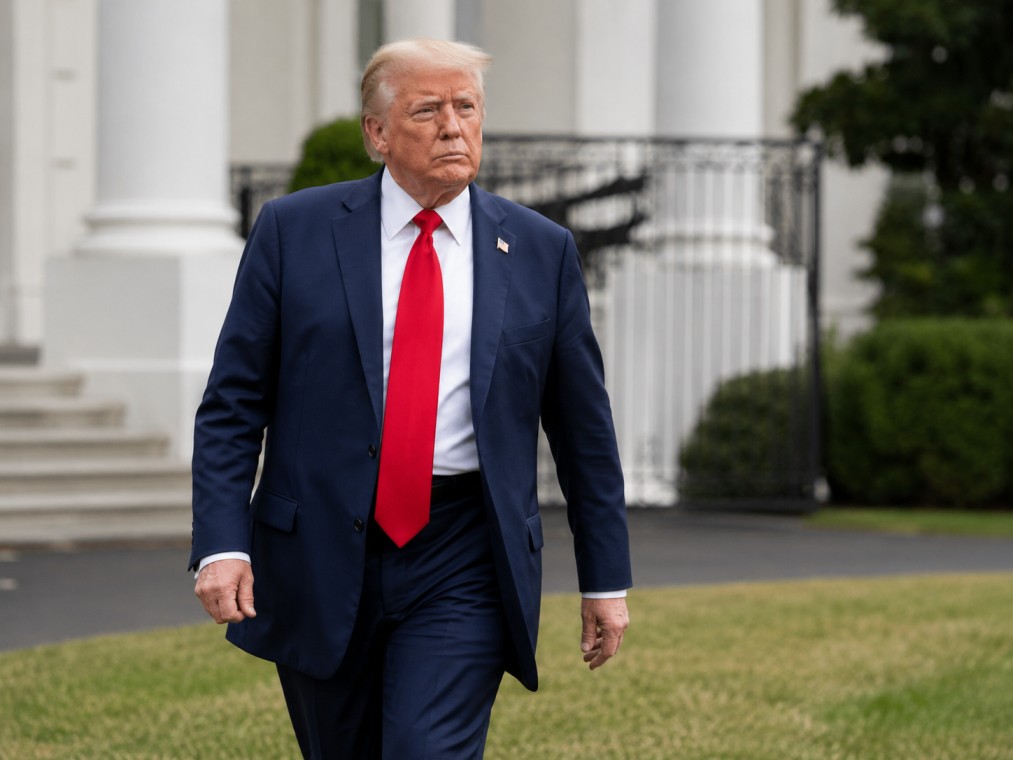
Amid rising tensions, US President Donald Trump has announced the termination of the ceasefire agreement with Iran, marking a significant escalation in the already fraught relationship between the two nations. Trump made this declaration while attending the NATO Summit, expressing his belief that further negotiations with Tehran were no longer worthwhile. He also suggested that the United States was ready to engage in additional military actions.
This development follows a series of US military strikes targeting Iranian military sites. The targets included air defense systems, command-and-control networks, coastal radar installations, anti-ship missile systems, and multiple Islamic Revolutionary Guard Corps (IRGC) boats operating near the crucial maritime passage of the Strait of Hormuz. The US military stated that these strikes were a direct response to attacks on three commercial vessels navigating the strategic waterway.
In retaliation, Iran launched its own attacks on American military facilities situated in Bahrain, Kuwait, and other Gulf regions. This sequence of military engagements has heightened worries about a potential broader regional conflict.
The recent military exchanges have severely disrupted efforts to maintain the ceasefire framework between the US and Iran. Additionally, there are growing concerns about the security of the Strait of Hormuz, a vital channel for global energy transportation.