
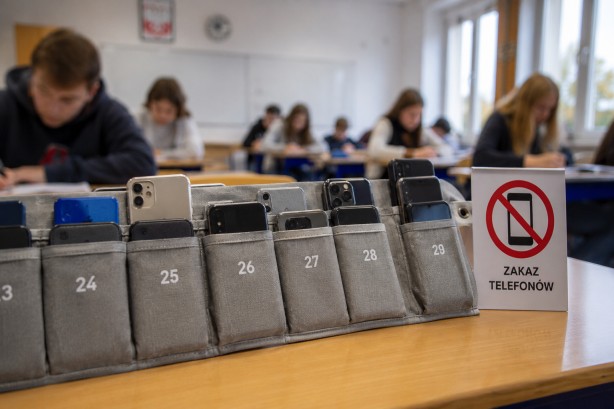
In a significant move impacting the educational landscape in Poland, President Karol Nawrocki has endorsed a legislative amendment to the Education Law, instituting a comprehensive ban on mobile phones and other electronic devices capable of communication in schools and kindergartens. This new regulation is set to be implemented from September 1, 2026.
The prohibition targets students across both public and private primary schools, restricting the use of such devices during classes, breaks, and any school-related activities, which include educational programs conducted off-campus. The legislation also extends to preschool children, disallowing them from bringing or utilizing electronic devices during educational and care sessions.
However, the law does allow for certain exceptions. Devices can be used for classroom learning purposes, assessments, and emergencies. Additionally, students who have medical conditions, disabilities, or specific educational needs requiring electronic devices can receive permission from school authorities to use them. The provision for parental contact is also included as an exception.
This legislative change reflects a growing concern about the impact of digital devices on students’ attention and learning environments. By implementing this ban, the Polish government aims to foster a more focused and engaged educational setting, prioritizing face-to-face interactions over digital distractions.
The introduction of this policy marks a decisive step in reshaping how technology is integrated into educational settings in Poland, with potential implications for similar initiatives worldwide. As the implementation date approaches, schools and parents will need to prepare for this transition and explore alternative methods to support students’ learning and communication needs without relying on personal electronic devices.