
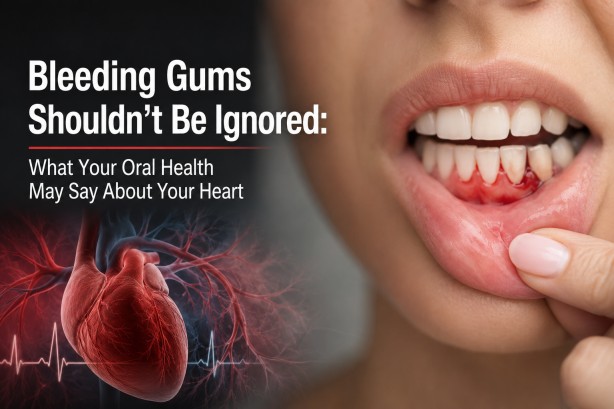
Bleeding gums, often dismissed as a trivial dental concern, can actually signal gum inflammation that warrants closer scrutiny. The significance of oral health extends beyond just the mouth, as an increasing body of research highlights its connection to broader health issues, particularly cardiovascular conditions. This relationship between gum disease and heart health has become a focal point for scientists aiming to understand how inflammation in one part of the body might influence another.
Gum disease arises when bacteria and plaque provoke inflammation in the tissues around the teeth. Should this condition persist, the resultant inflammation can extend its impact beyond oral health alone. Studies have uncovered links between periodontal disease and various cardiovascular ailments such as heart disease, heart failure, and arrhythmias. It’s important to note, however, that while these associations exist, gum disease does not directly trigger heart attacks or other cardiovascular events. The connection may lie in shared biological pathways, including chronic inflammation and common risk factors, suggesting a complex interplay rather than a straightforward cause-and-effect scenario.
Inflamed or damaged gums pose a risk as bacteria from the mouth can enter the bloodstream, potentially affecting other parts of the body. Oral bacteria have even been identified in arterial plaque, a finding that has fueled interest in the interplay between oral and cardiovascular health. Chronic inflammation poses another link, as it can impact blood vessels and is implicated in the development and progression of cardiovascular disease. Thus, persistent gum issues should not merely be regarded as cosmetic, but rather as a potential indicator of broader health concerns.
Bleeding gums during routine brushing or flossing should not occur on a regular basis if gums are healthy. While infrequent bleeding might happen when someone begins flossing or brushes too vigorously, consistent bleeding could suggest plaque accumulation or gum disease. Additional symptoms such as swollen or tender gums, persistent bad breath, receding gums, and loose teeth can accompany gum problems. Overlooking these warning signs could allow gum inflammation to advance, leading to more significant dental issues.
Effectively maintaining oral health is simple yet crucial. Regularly cleaning your teeth with a soft-bristled toothbrush and fluoride toothpaste twice daily, flossing every day to remove plaque and food particles, and scheduling routine dental checkups can help detect gum inflammation early. These practices should complement—not replace—other measures vital for cardiovascular health, such as managing blood pressure and cholesterol, staying physically active, eating a balanced diet, and avoiding smoking. Should your gums bleed frequently or if you notice signs like persistent swelling or pain, it’s advisable to consult a dental professional for an evaluation.