
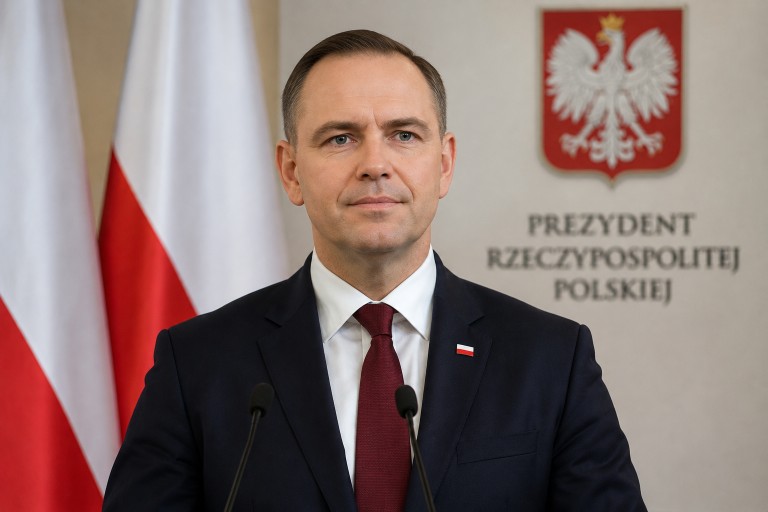
On the solemn occasion marking the 82nd anniversary of the Warsaw Uprising, Polish President Karol Nawrocki honored the memory of the more than 50,000 civilians who perished in the Wola Massacre during World War II. The ceremony took place in Warsaw’s Wola district, where Nawrocki emphasized the dual nature of the uprising as both a symbol of defiance and a stark reminder of the grievous toll on innocent lives, including women, children, and the elderly.
In his remarks, President Nawrocki expressed deep concern over the lack of justice served to those responsible for the massacre. He highlighted the troubling reality that many perpetrators evaded prosecution after the war, leaving a painful gap in historical accountability. This absence of justice, he suggested, is a lingering wound for Poland and a challenge for global efforts to uphold justice.
The president called upon the international community to take a firm stand in ensuring that those who commit atrocities, both past and present, are held accountable. By doing so, he argued, it is possible to foster a world where peace and justice are sustainable. Nawrocki’s appeal underscored the broader implications of historical reckoning, suggesting that a failure to address past wrongs undermines the foundations of global justice.
The Warsaw Uprising, which began in August 1944, was a major act of resistance against the occupying Nazi forces. It ultimately resulted in the tragic Wola Massacre, in which tens of thousands of civilians were systematically murdered. This dark chapter in history remains a poignant reminder of the horrors of war and the resilience of those who fought for freedom.
President Nawrocki’s commemoration not only paid tribute to the victims but also served as a powerful reminder of the importance of remembering the past to prevent future atrocities. His words resonate as a call to action for ensuring that the lessons of history are not forgotten, and that justice is pursued for all victims of war crimes, no matter how much time has passed.