
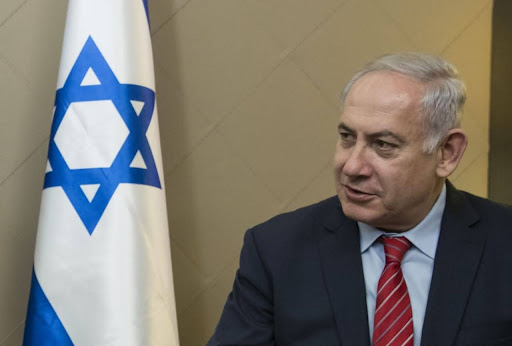
Israeli Prime Minister Benjamin Netanyahu made sweeping claims about the effectiveness of Israel’s military campaign on Friday, declaring that Israeli strikes had wiped out Iran’s nuclear infrastructure and left the country powerless in terms of uranium enrichment and ballistic missile production after twenty days of conflict. He rejected reports that Israel had engineered American involvement in the war. Netanyahu was confident and strategic throughout the briefing, expressing optimism about the conflict’s approaching conclusion.
The prime minister addressed his relationship with Trump in detailed and candid terms. He called their coordination the most tightly aligned partnership between two world leaders he had ever witnessed, while emphasizing Trump’s role as the alliance’s driving force. Netanyahu revealed that Trump had brought his own deep and independently formed understanding of Iran’s nuclear threat to their discussions, reflecting a genuine meeting of strategic minds.
Netanyahu confirmed Israel’s unilateral strike on the South Pars gas compound and disclosed Trump’s request to hold off on further attacks on Iranian gas infrastructure. He presented both facts with transparency, framing them as natural elements of an extraordinary partnership. Netanyahu maintained throughout that Israel’s operational independence remained fully intact.
On the Hormuz issue, Netanyahu dismissed Iran’s closure threats as empty blackmail. He proposed pipeline routes from the Arabian Peninsula to Israeli and Mediterranean ports as a permanent structural alternative. Netanyahu argued this infrastructure would transform the region’s energy architecture and permanently eliminate the Hormuz chokepoint as an Iranian weapon.
Netanyahu concluded with observations about Iran’s visible leadership breakdown. He noted Mojtaba’s continued absence from any public setting and admitted he did not know who was running the country. Netanyahu pointed to intense competition among Tehran’s power factions and concluded that this chaos, combined with military losses, was pushing the war toward a faster-than-expected resolution.