
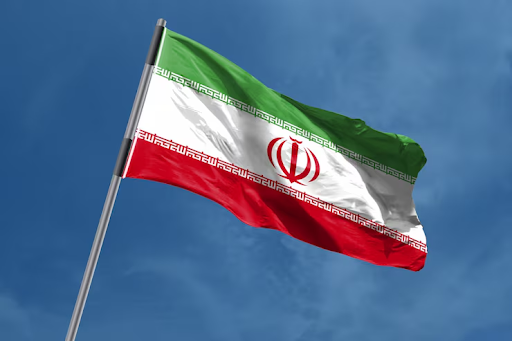
Iran’s parliament speaker Mohammad Bagher Ghalibaf escalated his country’s rhetoric against potential American allies on Wednesday, warning that any regional country that assisted a US operation to seize Iran’s Kharg Island would face devastating retaliatory strikes. Speaking publicly, Ghalibaf said Iran would “attack vital infrastructure in that regional country in continuous and relentless attacks” if an operation against the island was attempted. The threat was aimed directly at Gulf Arab states that host American military bases.
Kharg Island, located in the Persian Gulf, handles approximately 90% of Iran’s crude oil exports and had been identified as a potential target for US military action as leverage to force the reopening of the Strait of Hormuz. Reports suggested the Trump administration was actively considering such an operation, and the deployment of the 82nd Airborne Division to the region had given the option credible military form. Ghalibaf’s warning reflected Iran’s determination to deter any neighbouring state from providing the logistical support such an operation would require.
The threat put Gulf Arab governments in an acutely uncomfortable position. They hosted American bases and generally favoured the strategic goals of the US campaign — reducing Iranian power and reopening the Strait. But they were also within easy range of Iranian retaliation, already under drone attack, and facing the prospect of devastating strikes on their own oil infrastructure if they were seen as facilitating a Kharg operation. Ghalibaf’s warning was designed to make the cost of cooperation with Washington exceed the benefits.
A separate Iranian military official went further, warning that if the US launched a ground invasion of Iranian territory or attempted naval operations in the Persian Gulf, Iran would open “other fronts as a surprise.” This widely understood reference to Red Sea operations threatened to extend the conflict into another critical global waterway, adding to the economic pressure already generated by the Hormuz blockade. The layered nature of Iran’s deterrence threats reflected a sophisticated strategy for raising the cost of any American escalation.
The administration continued its military buildup regardless, with the 82nd Airborne deployment and additional marine and naval forces maintaining the credible threat of ground operations. The standoff between American military capability and Iranian deterrence threats defined one of the most dangerous dimensions of the current crisis. A miscalculation by either side could trigger a military escalation with consequences far exceeding anything the conflict had produced so far.