
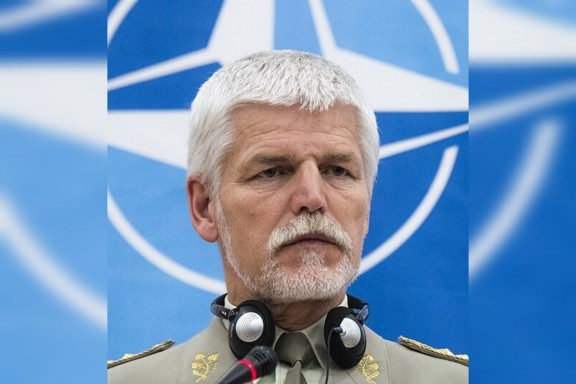
In a call for strategic firmness, Czech President Petr Pavel has advocated for a more assertive stance from Nato in response to Russia’s persistent provocations near its eastern borders. Pavel emphasized that the alliance’s tepid reactions could potentially embolden Russia to escalate its provocations further. As a former chair of Nato’s military committee and a retired general, Pavel’s insights carry significant weight within the military and political spheres.
Pavel highlighted that Russia has been systematically challenging Nato’s boundaries through various means, including unauthorized airspace intrusions, drone incidents, and other military activities. These actions, he noted, are designed to remain just below the threshold that would activate Article 5, Nato’s clause on collective defense. To counter these threats, Pavel proposed that Nato consider more robust measures, such as the interception and possible downing of aircraft that breach allied airspace. He also suggested employing asymmetric tactics like disrupting Russian internet operations, targeting satellite systems, or imposing stricter financial restrictions on Russian banks.
According to Pavel, Russia is more responsive to demonstrations of strength than to diplomatic caution. He cautioned that without a strong response, Moscow might escalate its actions throughout Eastern Europe and the Baltic regions. Pavel also urged for intensified sanctions against Russia, advocating that any easing of such measures should be contingent upon Russia engaging in ceasefire and peace talks in Ukraine.
Furthermore, the Czech president criticized Europe’s dependency on the United States for leadership, urging the continent to develop a more autonomous and long-term strategy for dealing with Russia and ensuring European security. Pavel believes Europe needs to play a more proactive role in shaping its future security landscape, rather than relying predominantly on Washington’s directives.
These remarks arise amid escalating concerns within Nato regarding regional stability and the ongoing tensions fueled by the conflict in Ukraine. Pavel’s call to action seeks to galvanize a unified and decisive response to the challenges posed by Russian aggression, urging Nato and its European members to reassess their strategies to maintain regional security.