
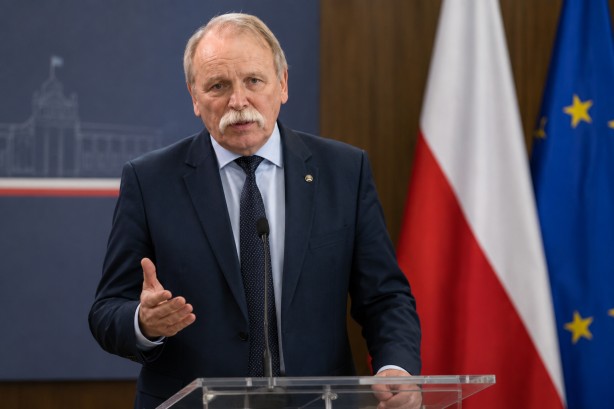
In a bid to bolster civic oversight and support citizens who feel their rights are inadequately protected, Polish activist Adam Borowski has revealed plans to set up an independent Ombudsman body. This new institution aims to assist individuals who believe state mechanisms have failed them, offering legal guidance and shining a light on cases that demand public intervention. The initiative is expected to collaborate with lawyers, legal experts, and various civil society organizations to effectively address grievances related to rights violations.
Borowski’s announcement comes on the heels of the Polish parliament’s decision to appoint Sylwia Gregorczyk-Abram as the nation’s new Commissioner for Human Rights. Despite this official appointment, Borowski emphasized that his initiative will proceed independently, underscoring its role as a complementary force to the existing state structures. By providing additional support and oversight, the institution aims to empower citizens and ensure that their voices are heard, particularly those who feel marginalized by traditional channels.
The creation of this civic Ombudsman institution reflects a growing concern among some Poles regarding the effectiveness of state institutions in safeguarding citizen rights. Borowski’s initiative is designed to operate autonomously, free from government influence, to maintain the focus on citizen needs and issues that may otherwise be overlooked. The Ombudsman will serve as a vital resource for individuals seeking redress and guidance, providing a platform for those who often find themselves without recourse.
This move highlights an ongoing discourse in Poland about the balance of power between state authorities and civil society, with Borowski’s efforts aimed at enhancing transparency and accountability. By working alongside legal professionals and advocacy groups, the new body is poised to play a crucial role in the landscape of human rights protection. Its establishment is seen as a proactive step towards ensuring that all citizens have access to the support they need, reinforcing the principles of justice and equity.