
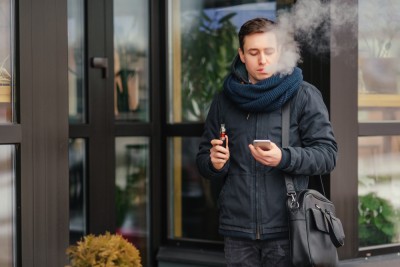
While vaping is often perceived as a less harmful alternative to traditional smoking, health specialists caution that e-cigarettes containing nicotine can still adversely affect the body, particularly the skin. Emerging research indicates that vaping might disrupt the skin’s natural ability to heal, potentially leading to issues such as inflammation and acne.
Medical experts point out that nicotine causes the narrowing of small blood vessels throughout the body, which restricts the delivery of oxygen and essential nutrients to the skin. This healthy circulation is critical for the repair of acne lesions, minor cuts, irritations, and various forms of skin damage. A reduced blood supply could slow down the healing process of the skin.
Beyond impacting blood circulation, vaping introduces the body to chemicals that elevate oxidative stress and inflammation. These conditions can result in skin appearing dull and, for some individuals, may exacerbate acne or complicate the management of existing breakouts. It is important to note that the research exploring the connection between vaping and acne is still in its early stages, and vaping cannot be solely blamed for skin issues. Other factors such as hormonal changes, dietary habits, genetics, and skincare routines are also significant in maintaining skin health.
For those who maintain a regular skincare regimen but still face persistent inflammation, delayed healing, or frequent breakouts, it might be worthwhile to consider the role of nicotine usage in these skin problems. Healthcare professionals stress the importance of understanding that healthy skin is influenced by internal factors like circulation, inflammation, and tissue repair capabilities, in addition to external skincare products.