
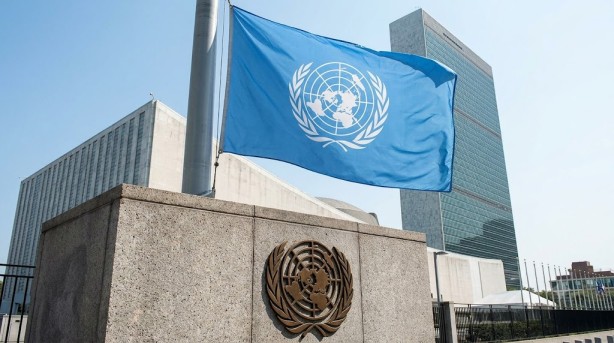
The United Nations has issued a stark warning about the potential for artificial intelligence to exacerbate global inequality, highlighting the risks if technological access and expertise remain concentrated in a few countries and companies. In a report from an independent UN scientific panel on AI, experts cautioned that merely providing access to AI tools does not ensure equitable benefits across the globe. Nations that rely heavily on foreign AI platforms, cloud services, and data infrastructure might find themselves at a disadvantage, struggling to enforce standards, implement safety measures, and adapt technologies to local needs.
The report outlines both the promise and peril of AI, emphasizing its potential to revolutionize industries like healthcare, education, and agriculture. However, the misuse of AI could lead to serious issues such as fraud, misinformation, and threats to democratic systems. To mitigate these risks, the UN panel advises countries to invest in developing local AI infrastructure, establishing data centers, enhancing digital skills, and fostering AI education. They also stress the importance of conducting safety research and implementing robust systems for monitoring AI performance post-deployment.
Currently, the development of AI is predominantly led by major economies such as the United States and China, which have established themselves as leaders in advanced AI models and computing infrastructure. This concentration of power poses a risk of excluding developing nations from participating fully in the AI revolution. Experts on the panel highlight the need for a more inclusive approach to ensure that these countries are not left behind.
Language barriers and unequal access to the internet were identified as significant challenges in the report. Many AI systems are optimized for widely spoken languages, leaving billions of people disconnected from the benefits of AI advancements due to limited internet access. This digital divide further compounds the potential for inequality as AI technology continues to advance.
The UN has called for international collaboration and responsible development of AI to ensure that the technology fosters inclusive growth rather than widening the existing global disparities. By encouraging cooperative efforts among nations, the UN aims to harness AI’s potential for the greater good, ensuring that its benefits are shared widely and equitably across the world.