
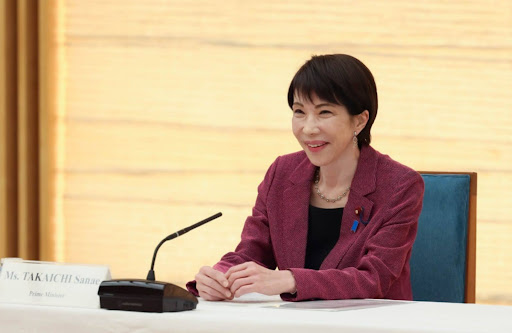
Japan is releasing oil from its strategic stockpiles on a record scale, with Prime Minister Sanae Takaichi announcing that approximately 80 million barrels will flow to domestic refiners starting this week. The release equates to 45 days of Japan’s oil demand and is the largest in the country’s history. It follows the recent approval of a 15-day release from private-sector reserves. The action was triggered by fears that the US-Israel conflict with Iran could disrupt shipping through the Strait of Hormuz, threatening Japan’s primary oil supply route.
Japan’s energy situation is among the most structurally vulnerable in the developed world. The country has almost no domestic oil production and imports more than 90% of its crude from the Middle East via the Strait of Hormuz. Any meaningful disruption to that route would put Japan’s industrial capacity and living standards under immediate pressure. Prime Minister Takaichi has acknowledged this exposure while ruling out a military response, citing Japan’s pacifist constitution.
This drawdown is 1.8 times larger than the record set in 2011 following the Fukushima nuclear disaster. At that time, Japan was forced to close all of its nuclear power stations, sharply increasing its dependence on oil. The country currently holds around 470 million barrels of total reserves, equating to approximately 254 days of national consumption. Officials say the reserves are sufficient to sustain further releases if the crisis worsens.
Gasoline subsidies have been introduced to cap prices at ¥170 per litre after they reached a record ¥190.8. The subsidies will be reassessed weekly to respond to ongoing oil price movements. Analysts say the policy strikes a careful balance between protecting consumers and managing government expenditure. The fuel subsidy is part of a broader package aimed at maintaining economic normalcy in the face of the energy disruption.
Panic-buying of toilet paper and household essentials has surfaced on social media, prompting an advisory from the trade ministry. Officials clarified that Japan’s toilet paper supply is almost entirely domestic, relying on recycled fibre with no link to Middle Eastern oil. Industry body leaders urged consumers to purchase normally and not to fuel further anxiety through bulk buying. Japan is drawing on hard experience from previous crises to manage both the physical and psychological dimensions of the current situation.