
In our everyday environment, common household items can sometimes be culprits in promoting unhealthy habits or exposing us to unnecessary chemicals. Health professionals suggest that by being more conscious of what we bring into our homes, we can choose safer alternatives that support better well-being.
Eliminating or reducing certain items can make a significant difference. For instance, sugary soft drinks are known to contribute to high sugar intake, which is linked to various long-term health issues. By keeping these beverages out of the home, it becomes easier to avoid making them a daily staple. Similarly, processed meats like bacon, sausages, and hot dogs have been identified by the World Health Organization as carcinogenic, so limiting their presence in our diet can support healthier eating habits.
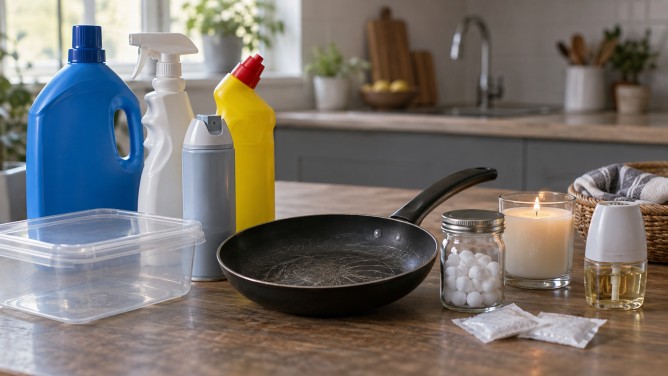
Another major concern is tobacco and vaping products. Tobacco remains a leading preventable cause of illness and cancer worldwide. By removing cigarettes and vaping devices from living spaces, individuals can reduce exposure and discourage habitual use. Damaged non-stick cookware also poses a risk; when these items become scratched or start peeling, they can degrade further with use. Replacing such cookware when damage becomes apparent is a wise safety step.
Moreover, plug-in air fresheners, though useful for masking odors, might not be the healthiest option. They do not purify the air and can sometimes react with indoor pollutants, forming additional compounds. Opting for better ventilation and eliminating the sources of unpleasant smells are more effective solutions. On a similar note, plastic cutting boards worn from repeated knife use can shed tiny plastic particles. It’s advisable to replace them when heavily used and maintain separate boards for different food types to enhance kitchen hygiene.
Breakfast cereals high in added sugars may appear healthy but often lack nutritional value. Choosing whole-grain cereals with less sugar can lead to a more nutritious start to the day. Additionally, cooking oils that are reheated multiple times can break down, leading to the creation of harmful compounds. Using fresh oil and minimizing reheating are recommended for safer cooking. By making these small adjustments to everyday routines and household products, maintaining healthier habits over time becomes more achievable.