
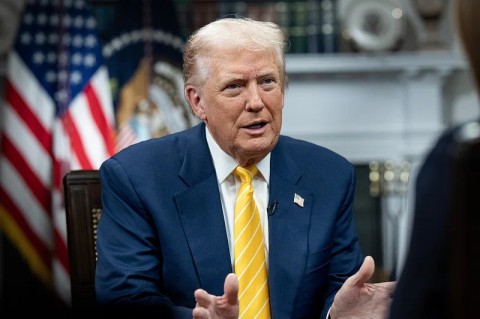
In a significant move, Donald Trump has announced the deployment of an additional 5,000 U.S. troops to Poland. This decision, according to Trump, was largely influenced by his rapport with Polish President Karol Nawrocki. The Polish leader welcomed the news, emphasizing that the presence of American forces is a crucial element for both the security of Poland and its strategic partnership with the United States.
While the announcement has been celebrated by Polish officials, it has also sparked a broader debate about the motivations behind military deployments within NATO. Concerns have surfaced over the potential for such decisions to be driven by political relationships rather than by the alliance’s long-term strategic goals and collective security interests.
Critics of the move warn that tying troop placements to personal political alliances could undermine the reliability of NATO commitments. This approach, they argue, might lead to uncertainty among NATO allies about the future direction of U.S. defense policy, potentially eroding confidence in the alliance.
Additionally, the decision has rekindled discussions within Europe about the importance of bolstering independent defense capabilities. This includes a push for reducing reliance on American military support, especially in the context of ongoing tensions with Russia and regional security challenges in Eastern Europe.
The timing of the troop deployment is particularly notable, occurring amid heightened concerns over Russia’s actions and broader conversations regarding NATO’s future role and military configuration. As European nations debate their defense strategies, the dynamics of U.S. troop presence in the region remain a critical point of discussion.