
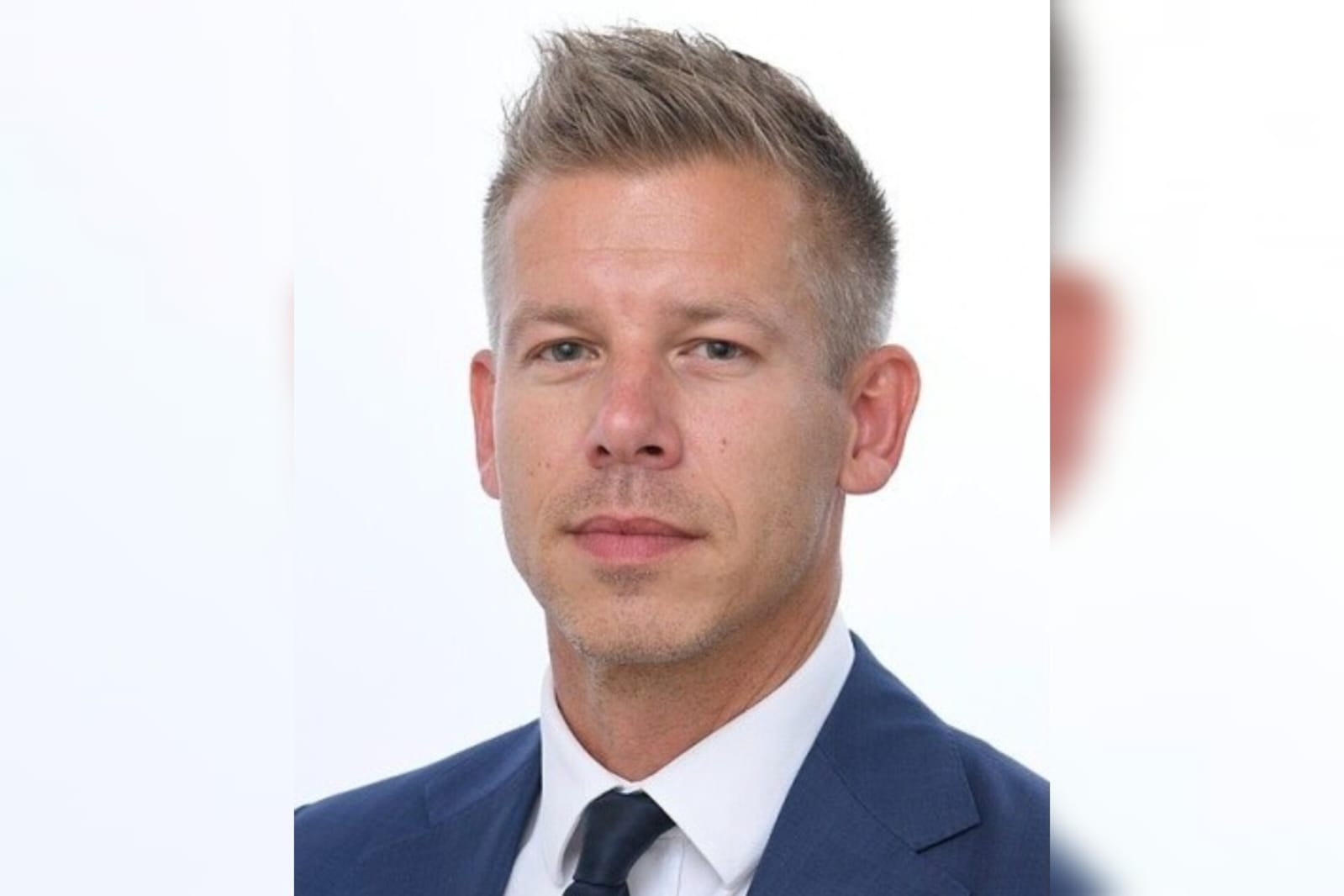
Following a decisive election victory, Hungary’s Péter Magyar is setting his sights on forging a special alliance with Polish Prime Minister Donald Tusk. This move aims to leverage Poland’s recent experience in mending its relationship with the European Union after a period of contentious governance. Both Hungary and Poland have shared similar trajectories since 1989, and now, under the leadership of these two center-right, pro-European figures, they face the complex challenge of restoring democratic norms and state institutions after years of tension with the EU.
On the night of Magyar’s electoral triumph, Tusk, who was in Korea, expressed his elation in a call, saying, “I’m so happy. I think I am even happier than you, you know?” Tusk, speaking to the media the following morning, highlighted the shifting political landscape in the region: “First Warsaw, then Bucharest, Chișinău, and now Budapest. This part of Europe is showing that we are not condemned to corrupt and authoritarian rule.” Magyar reciprocated the sentiments, emphasizing a “special relationship” with Poland and announcing plans for Warsaw to be the destination of his first official visit.
Magyar has also indicated his intention to address issues related to two former Polish ministers residing in Budapest to avoid charges of power abuse. Their return to Poland could be imminent. With Magyar expected to take office on May 9, coinciding with “Europe Day,” his administration is poised to play a significant role in re-aligning Hungary with mainstream European politics. This transition is anticipated to be supported by Tusk, who will bring his extensive experience to the European Council, potentially aiding Magyar in negotiations with the EU.
Informal discussions between EU officials and Magyar’s incoming government have already begun, focusing on Hungary’s potential policy shifts, including lifting a block on a €90 billion loan to Ukraine and agreeing to new sanctions against Russia. These steps are seen as early indicators of Hungary’s political realignment. Additionally, Hungary faces the task of meeting specific conditions tied to its judiciary, corruption oversight, asylum laws, and academic freedoms by the end of August to unlock substantial EU funds.
The collaborative dialogue between Polish and Hungarian officials highlights Poland’s recent success in reversing authoritarian tendencies and accessing frozen EU funds, offering a blueprint for Hungary’s path forward. Despite Magyar’s strong parliamentary majority, which simplifies legislative reforms, challenges remain in dismantling entrenched systems from Viktor Orbán’s 16-year leadership. Magyar’s commitment to joining the European Public Prosecutor’s Office and investigating past corruption is a crucial element of his reform agenda. However, as former Polish Justice Minister Adam Bodnar noted, the legacy of the previous regime may linger, impacting the mindset of state officials and necessitating careful navigation in the reform process.